
Article
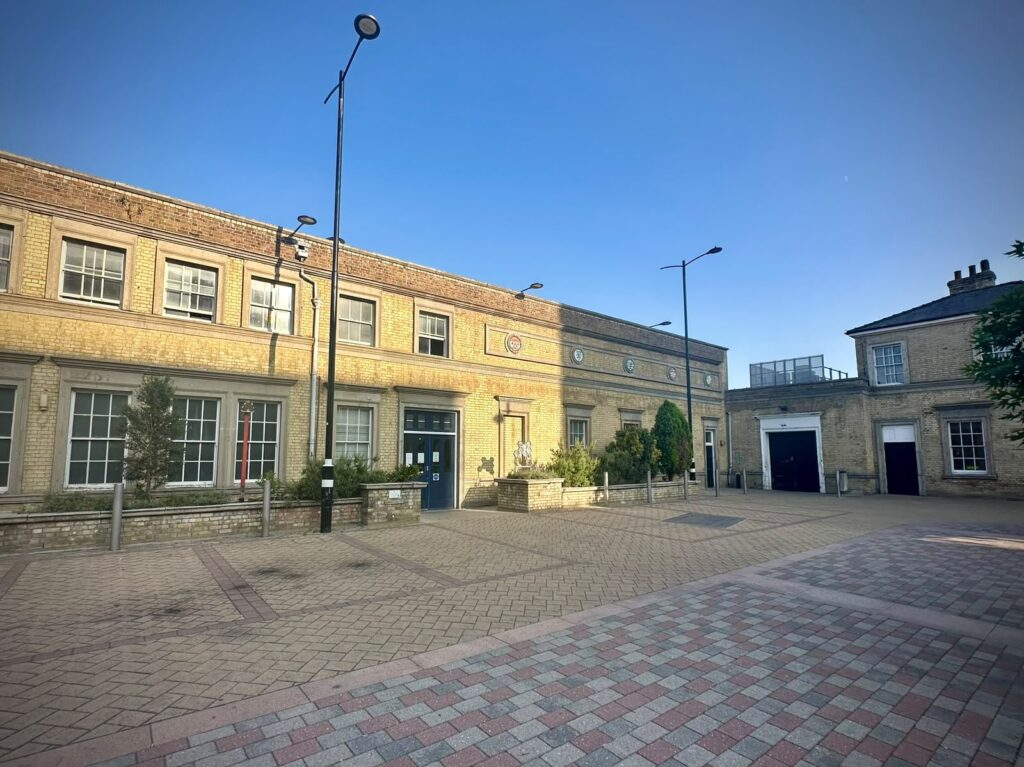
In the early hours of 21 July 2026, a joint team from Railscape and RUAS successfully completed a UAS night spraying operation at Cambridge Station on behalf of Greater Anglia and Network Rail. Using advanced drone herbicide application technology, the team safely treated invasive buddleia growing on the station roof—an area that would have been extremely difficult and costly to access using traditional methods.
The project demonstrates how commercial drone spraying can improve safety, reduce operational risk, and deliver efficient vegetation management across the UK’s rail infrastructure.
Buddleia is one of the most destructive invasive plants affecting railway stations, bridges, and historic structures. Its lightweight seeds are dispersed by the wind and readily establish themselves within cracks in brickwork, mortar joints, and roof structures.
As the plant develops, its expanding root system and woody stems can:
Removing buddleia before significant growth occurs helps protect railway assets while avoiding expensive repairs.
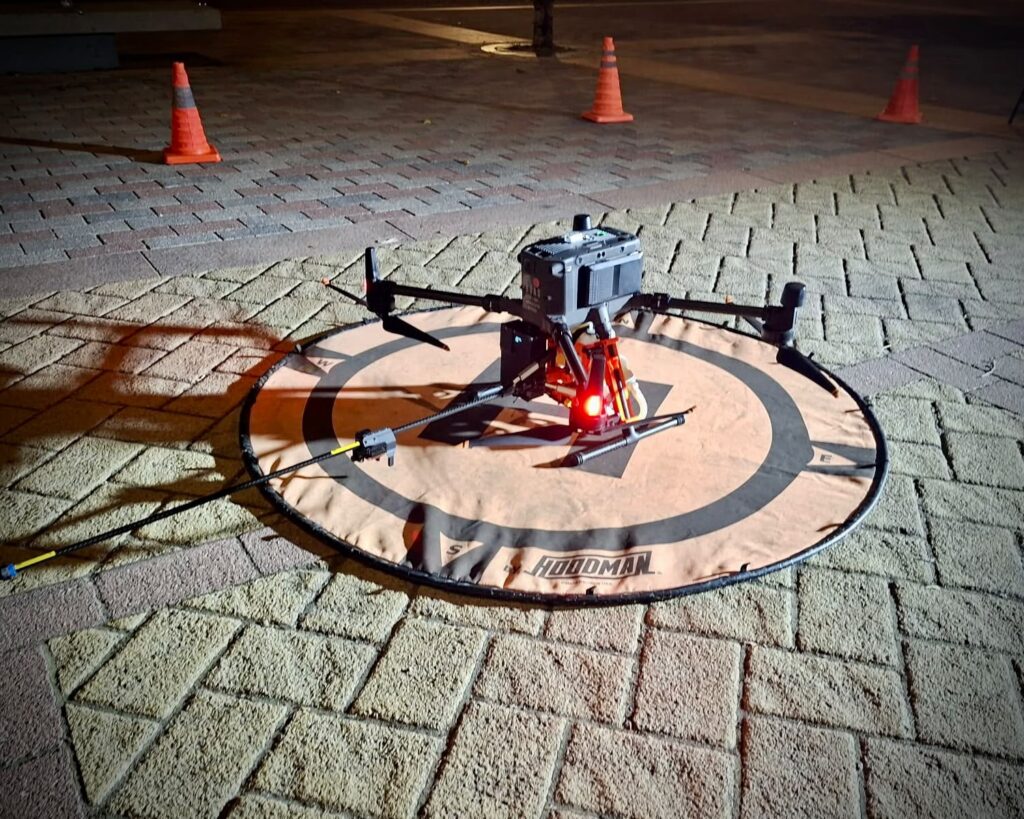
The operation commenced shortly after midnight, allowing work to take place safely during the planned rail possession.
The project team included a
Following site familiarisation, the team established a secure take-off and landing zone before completing comprehensive safety briefings covering operational procedures, risk controls, communications, and emergency contingencies.
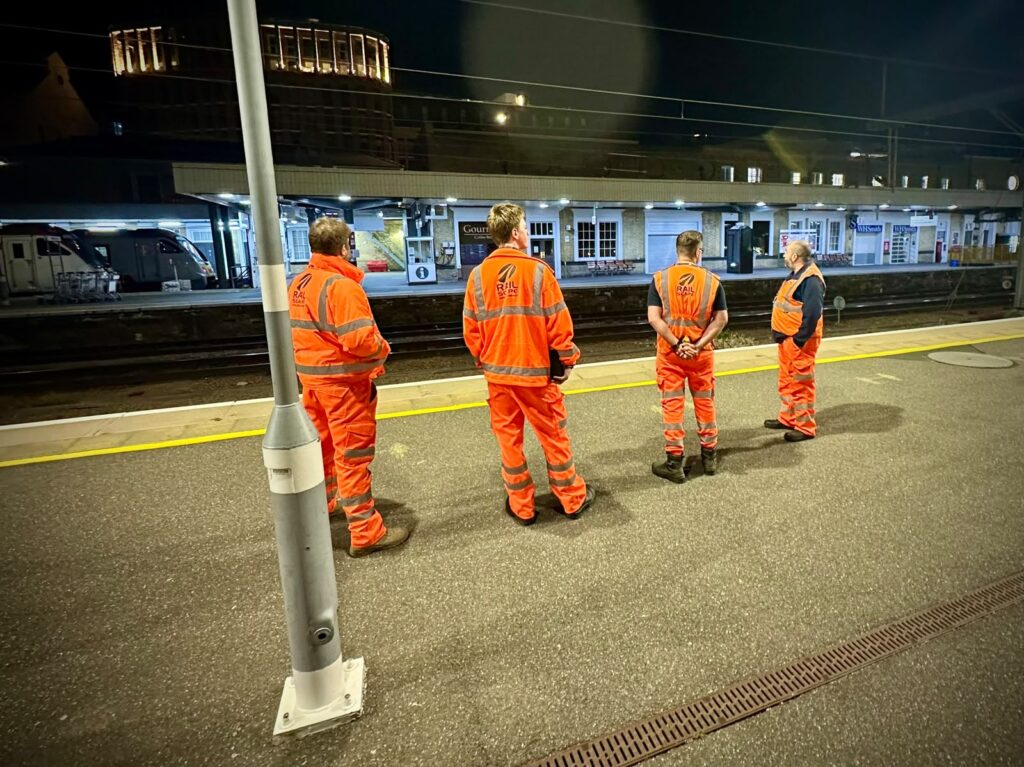
Once the final train had cleared Cambridge Station at approximately 2:00 am, the herbicide was prepared and the Unmanned Aerial Precision Sprayer (UAPS) installed onto the DJI Matrice 300.
Comprehensive pre-flight inspections included:
Only after all inspections were successfully completed did flight operations begin.
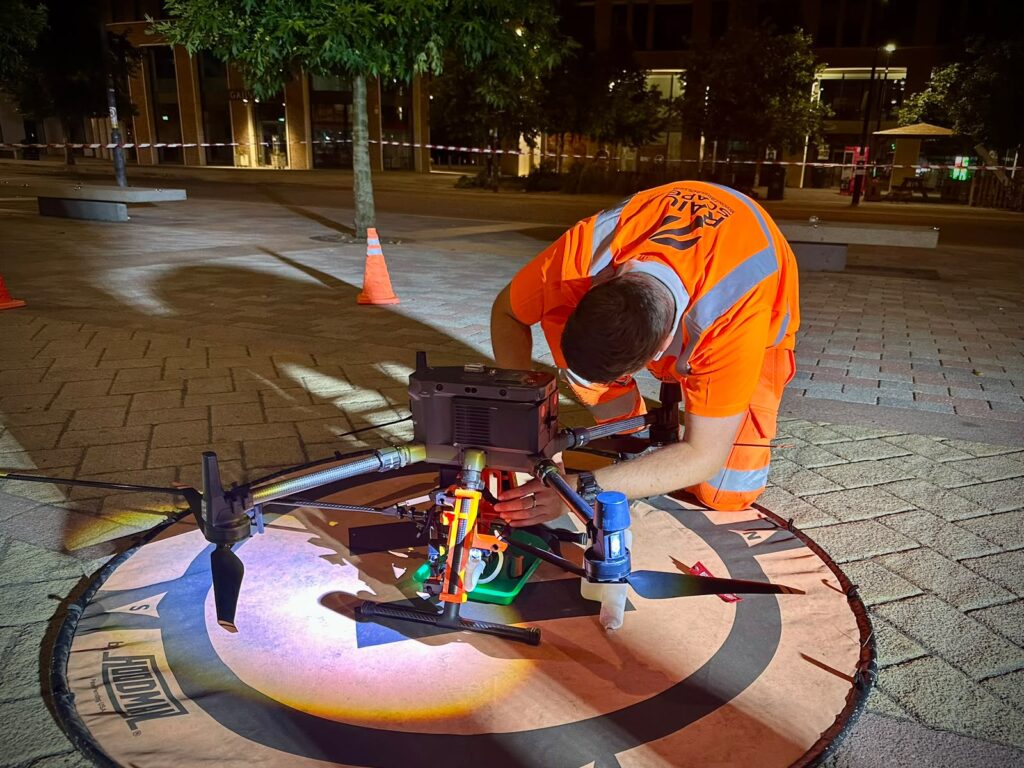
The Remote Pilots manoeuvred the aircraft over the treatment area while the Spray Operatives controlled the UAPS to apply herbicide accurately to affected vegetation.
Throughout the operation, continuous communication between the remote pilots, spray operatives, and safety manager ensured:
This coordinated approach enabled safe treatment of all identified buddleia growth despite the challenging night-time environment.
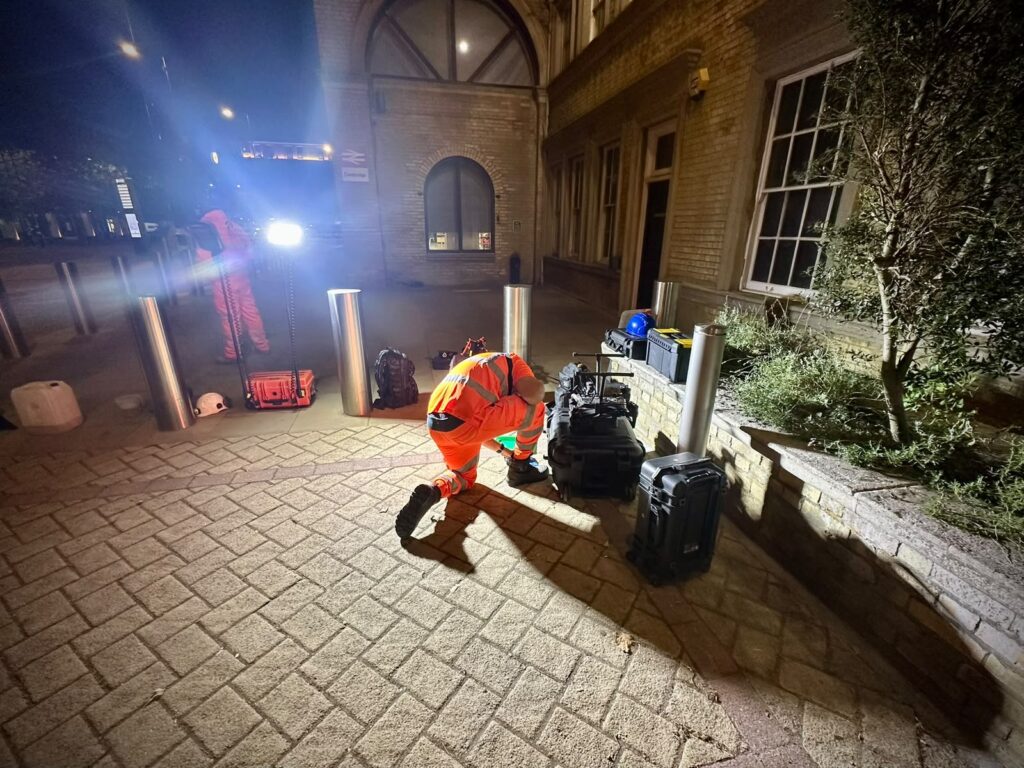
The entire operation was completed safely within the allocated two-hour rail possession. From initial site setup through to final demobilisation, the project was completed in under four hours, finishing at approximately 4:00 am.
The successful deployment demonstrated how UAS spraying technology enables infrastructure owners to access difficult-to-reach locations without the need for scaffolding, rope access, or extensive manual working at height.
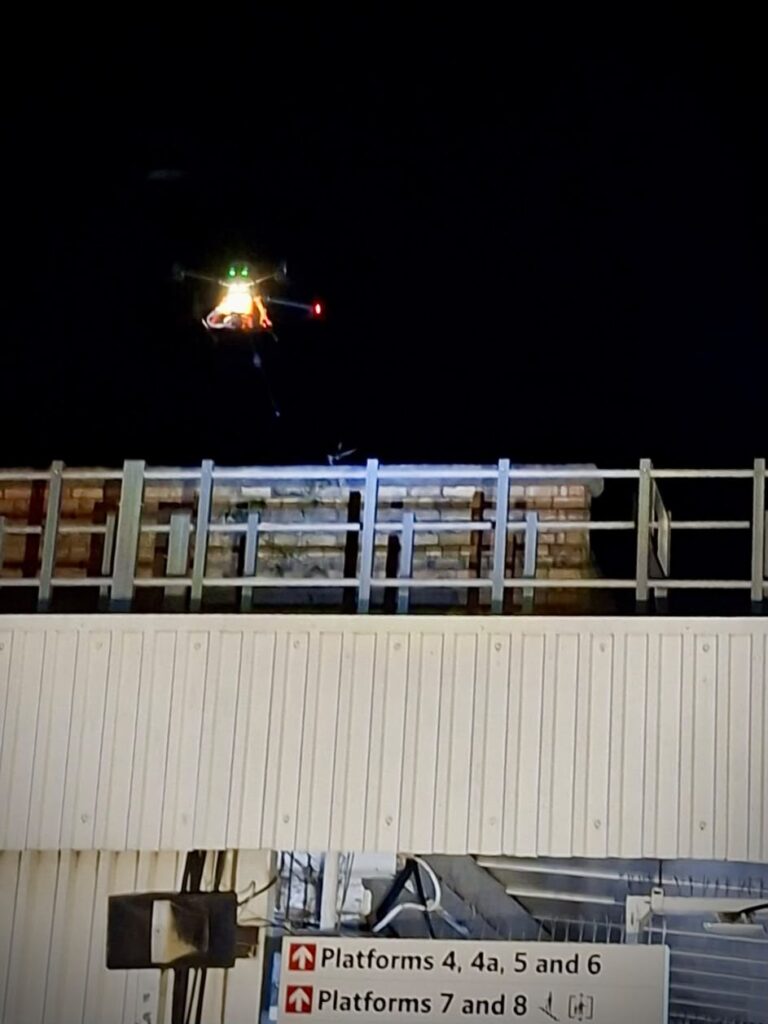
Commercial drone spraying offers significant advantages over traditional vegetation management techniques, including:
As rail infrastructure managers continue to seek safer and more efficient maintenance solutions, aerial spraying is becoming an increasingly valuable tool for managing invasive vegetation across stations, bridges, and other difficult-to-access assets.
Helen Daniels
July 24